Proud partner

Proud partner
Article
Summary

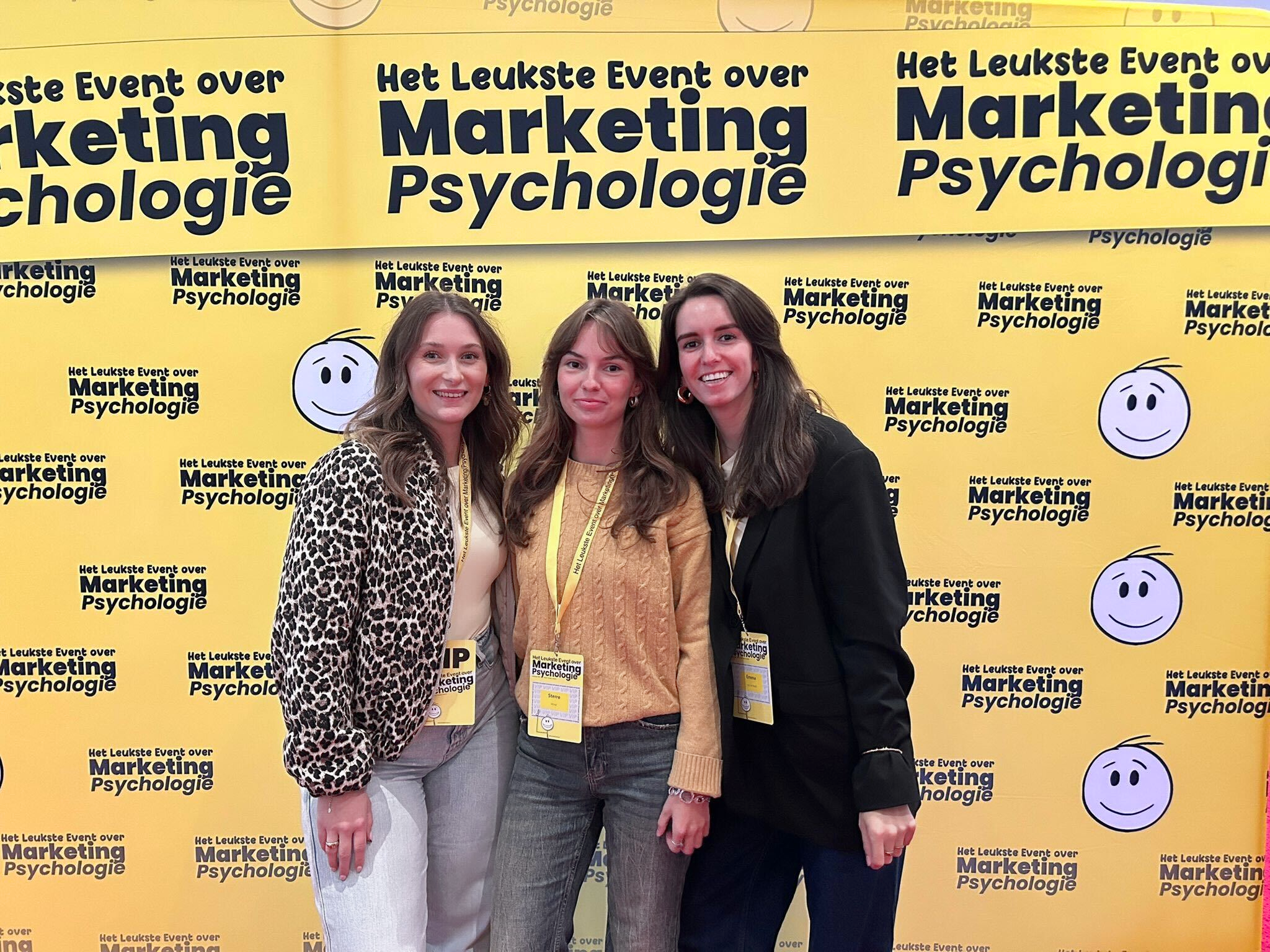
Sterre, Brittany and Emma recently attended ‘The Best Event on Marketing Psychology’, organised by Christ Coolen. What immediately stood out? Yellow. Yellow everywhere. Back at the office, they quickly dubbed it the ‘SpongeBob Event’. From yellow earrings to a full banana costume worn by some attendees. But where did this yellow dress code come from at the Best Event on Marketing Psychology? The colour created recognition and a sense of connection. Amidst all that yellow, they took away five key lessons on brand building, behavioural change and the psychology behind effective marketing.
“People want to change, but their environment doesn’t,” said speaker Ben Tiggelaar. No matter how motivated we are, if the context works against us, little will happen. Think of the chocolate bar at the till: hard to resist. Or, conversely, the gym just round the corner: easier to stick with. If you really want to change behaviour, you need to make the environment smarter. Amplify the driving forces; minimise the restraining forces. Brands such as On that Ass and Swapfiets do this perfectly: they make the desired behaviour effortlessly appealing.
Building a brand that sticks in the mind requires a sharp identity. Caroline van Turenhout, CEO of Zeeman, explained how to achieve this: combine the core of your brand with a characteristic that is diametrically opposed to it. This creates tension, and it is precisely that tension that makes it interesting. Zeeman believes in simplicity, but pairs this with a touch of quirkiness. The result? ‘Remarkably simple.’ A brand that remains down-to-earth, yet has character. And you can sense that in everything they do.
Digital marketing isn’t just about clicks, but about trust. Ingmar de Lange illustrated this perfectly. People use online rules of thumb to determine what’s trustworthy: reviews, the number of views something has received, or simply the logo of a well-known brand. His example hit the nail on the head: would you just share all your data with an unknown American company? Probably not. But if Apple or Samsung asks, you’ll click ‘agree’ without a second thought. That’s brand trust in action. The conclusion? Brand building and sales activation go hand in hand. A strong brand makes conversion easier, and vice versa.
Imagine: you order a cappuccino. You expect coffee, a bit of milk, and that’s it. But what if you’re served a perfectly frothed cappuccino with a little flower in it, accompanied by a biscuit, a glass of water and a smile? Then you feel truly seen. That little extra makes the difference between being satisfied and being surprised. And that’s exactly where the magic of marketing lies: meeting expectations is good, but exceeding them is what really sticks in the mind.
What do people expect from your brand? Write it down. The standard things, the clichés, the obvious. And then take a look: where can you surprise them? It doesn’t have to be anything grand. One detail that’s just right, one moment that’s better than expected, can make all the difference. A great example: Nespresso doesn’t sell coffee, but a sense of luxury. Subtly defy expectations and dare to surprise.
On the way back to Deventer, ideas were already bubbling up. How do we create campaigns that not only deliver results but also leave a lasting impression? How do we build brands that people trust, remember and recommend? The Best Event on Marketing Psychology was more than just an inspiring day; it was a reminder of the very essence of marketing: understanding behaviour, connecting with people and exceeding expectations just that little bit.
Would you also like to learn how to create campaigns that make a real impact? Get in touch with us and discover how you can apply these insights to your marketing!




Our team is
ready to help you

